Support

A cushioning layer of foam, bubble wrap, or stuffing materials (minimum 5 cm) must be placed at the bottom, top, and both sides of the carton. Heavier items require thicker shock-absorbing materials for added protection.
When a package contains multiple items, each item must be wrapped separately to avoid collision. For single-item parcels, wrap the item in multiple layers of bubble wrap, place it in the center of the box, and fill all empty spaces to prevent movement.
Use a strong, new carton box with no dents or moisture damage. Volumetric weight is calculated using:
Length × Width × Height / 5000
The box must have a flat surface for labeling. Avoid using woven bags. Sharp edges must be covered with cardboard or protective padding. After packing, seal the parcel using the three-strip taping method for maximum reinforcement.
Do not use fabric, rope, or thin paper for wrapping. Always seal the product before boxing. Select a box size that fits properly to avoid crushing or shifting during transport.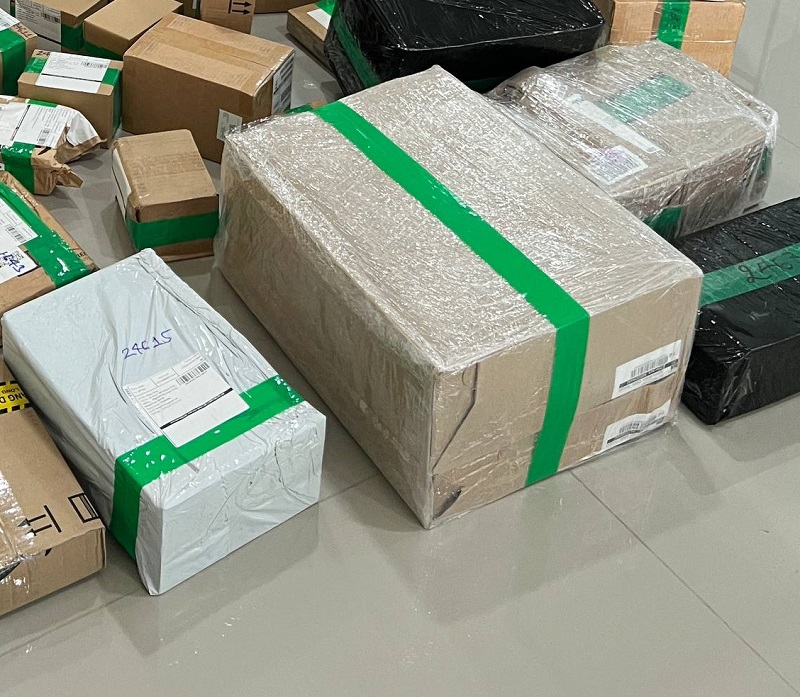
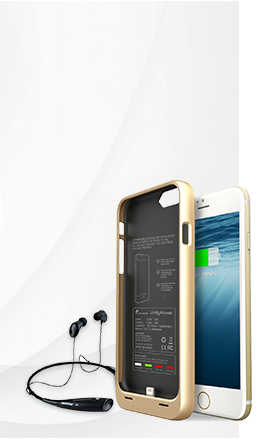
Electronic items require strict handling due to their sensitivity to impact, moisture, and static electricity. This category includes laptops, tablets, smartphones, cameras, PC components, and high-value accessories.
Electronics contain delicate internal components that can easily break or malfunction from impact or moisture, causing issues such as screen cracks, damaged circuits, battery faults, or corrosion.
FADO168 uses anti-static bags for circuit boards and components, bubble wrap for full-surface protection, heavy-duty 3–5 layer cartons, industrial packing tape, and foam inserts to stabilize items.
Place the device in an anti-static bag, wrap it with multiple layers of bubble wrap, and place it in a foam-lined carton. Fill all internal gaps to ensure zero movement. Seal using the three-strip method and label with “Electronics” and “Fragile”.
Do not leave empty spaces in the box. Wrap each device separately. Never allow tape to touch the device directly. For high-value items, use wooden crates or premium export-grade packaging.
Fragile items include glass bottles, ceramics, porcelain, vases, picture frames, and other breakable household items.
Wrap each item individually in multiple bubble-wrap layers, prepare a thick carton box, fill gaps with protective materials, and seal securely.
Place the original box inside a larger outer box with cushions on all six sides. This method minimizes shock transfer and provides the highest level of safety for high-value or delicate items.
Never reuse old or soft cartons. Do not allow items to touch each other. High-value glass items should be packed in wooden crates for international shipping.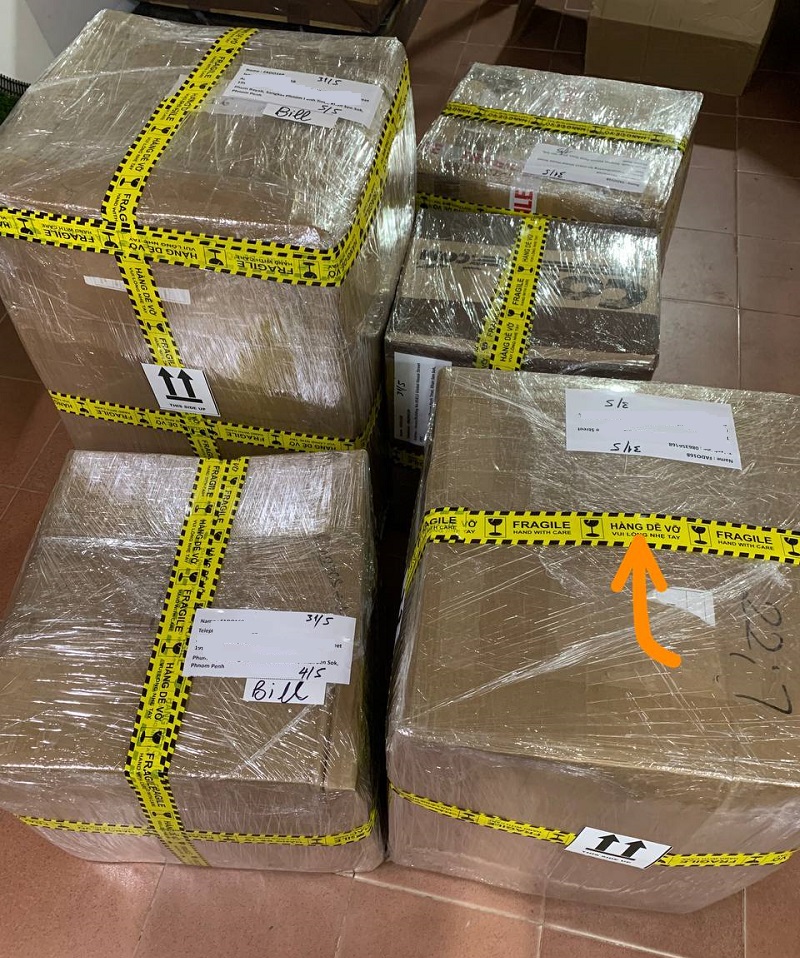
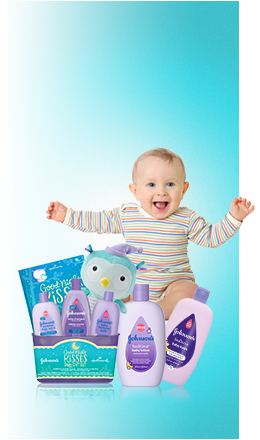
Liquid products such as detergents, shampoos, body wash, and safe household liquids pose a high leakage risk.
Fully tighten caps, secure pump heads, and wrap cap areas with tape. Each liquid container must be placed inside a sealed leak-proof bag.
Each bottle must be individually wrapped. Cushions must fill all empty spaces, and an extra protective layer must reinforce the cap area.
Select a strong carton, create internal compartments, prepare each bottle, place them upright, fill gaps, and seal with warning labels such as “Liquid Inside”.
Some liquids require MSDS documents for customs. Declare all liquid goods honestly to prevent delays.
Books, documents, posters, and prints are highly sensitive to bending, moisture, and surface damage.
Prevent any bending, tearing, moisture, or scratches. Prioritize rigid and sealed packaging.
Wrap the items in waterproof plastic, place them in a snug-fit box, add cushioning to prevent bending, and label clearly.
Posters should be rolled and packed in protective tubes. Non-rollable items must be packed flat between two rigid boards.
Avoid using thin envelopes. High-value artwork should be crated for maximum protection.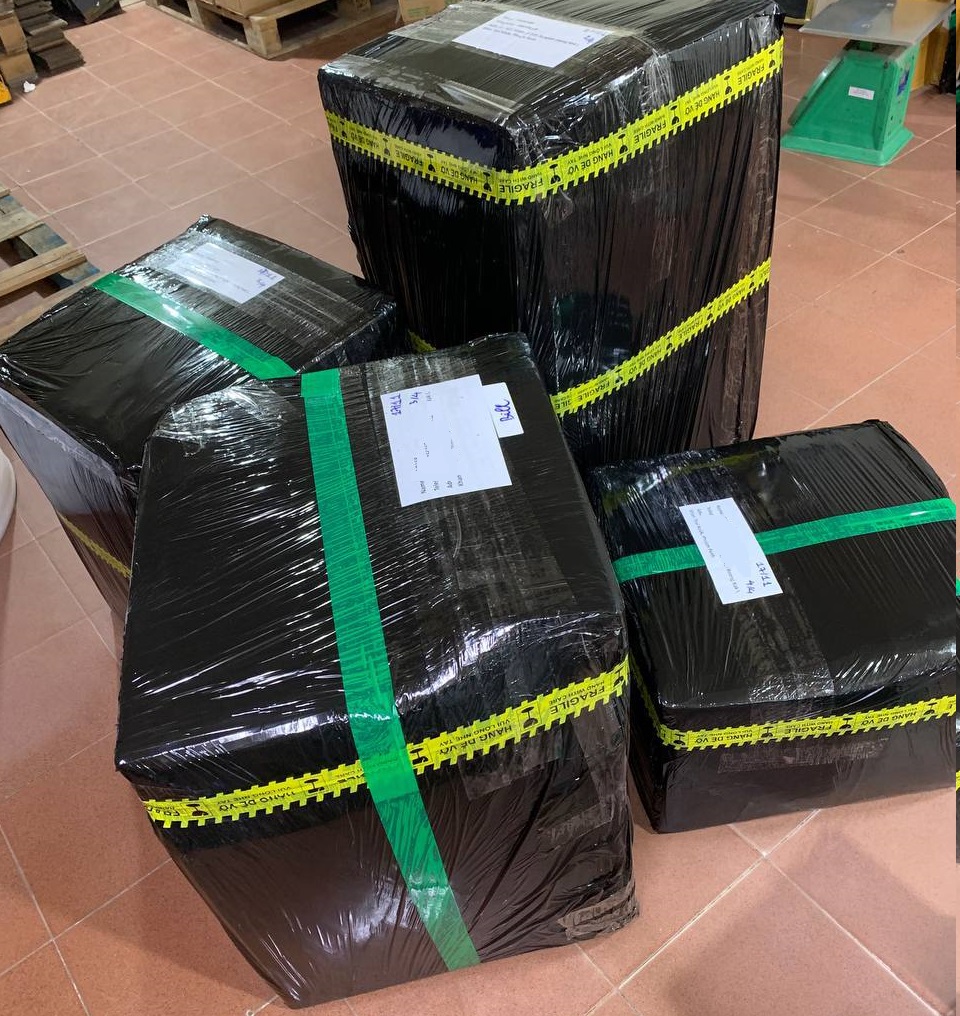
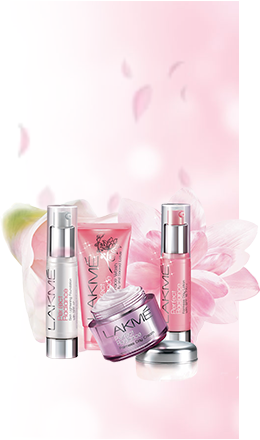
Cosmetics are among the most commonly damaged product categories when shipped internationally due to their fragility, liquid form, and sensitivity to temperature.
Use a thick, moisture-free carton sized appropriately to prevent pressure or excessive empty space.
Line the box with foam and secure items tightly. Perfumes and serums require additional padding.
Each cosmetic product must be wrapped in several layers. Glass bottles must never touch each other.
Tighten caps, wrap seal areas with tape, and place each item in a leak-proof zip bag. This step is mandatory.
Cosmetics can melt, separate, degrade, or discolor when exposed to heat or cold. Choose fast shipping options for premium items.
Some cosmetic categories require invoices, product descriptions, ingredient lists, or import permits.
The packaging guidelines provided above help you properly protect each type of item—from general goods and electronics to fragile items, liquids, and cosmetics. You can apply these methods yourself before shipping.
If you need professional packing assistance, product condition checks, or guidance on international shipping requirements, FADO168 is ready to support you with strict standards and absolute care.
 Contact